AI Lead Generation: How to Attract, Qualify, and Convert More Leads With AI
Learn how AI lead generation works, from finding prospects and personalizing outreach to instant response and qualification, plus the metrics that prove it.
By the VANGAI team · · 12 min read

Key takeaways
- AI lead generation uses artificial intelligence to find prospects, personalize outreach, respond instantly, qualify leads, and route them to the right salesperson.
- Speed to lead is one of the biggest levers, and AI makes near instant responses possible around the clock.
- The best systems combine your ideal customer profile, clean CRM data, and human review for high value conversations.
- Track response time, qualification rate, meetings booked, and pipeline created to prove results.
What is AI lead generation?
AI lead generation is the use of artificial intelligence to attract potential customers, identify the best prospects, engage them with personalized messages, and qualify them before a salesperson steps in. It covers the entire top of the funnel, from the moment someone shows interest to the moment they book a meeting.
Traditional lead generation relies on manual research, generic email blasts, and slow follow up. AI changes the economics. It can research hundreds of accounts in minutes, write relevant messages for each one, respond to inbound inquiries instantly, and score every lead against your ideal customer profile.
Why speed and relevance decide who wins the lead
Two factors dominate lead conversion: how fast you respond and how relevant your message is.
On speed, research published in Harvard Business Review found that companies contacting online leads within an hour were dramatically more likely to qualify them than those who waited longer. Yet many businesses still take hours or days to reply, especially outside business hours.
On relevance, buyers ignore generic outreach. They respond to messages that show an understanding of their business, role, and challenges. Personalization at scale used to be impossible. With AI, it becomes routine.
How AI lead generation works
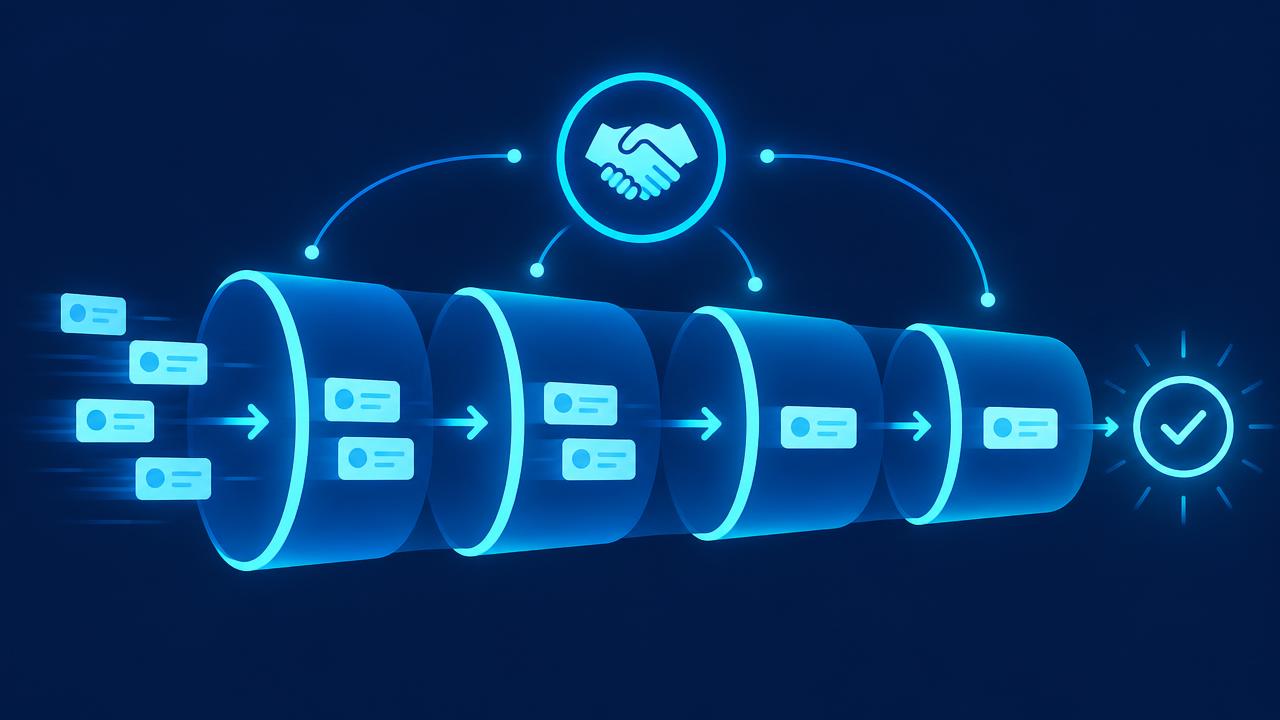
1. Define your ideal customer profile
Everything starts with a clear definition of who you want to reach: industry, company size, location, roles, challenges, and buying signals. AI uses this profile to score and prioritize leads consistently.
2. Find and research prospects
AI tools can search public sources, company websites, and business databases to build lists of accounts that match your profile. For each one, AI can summarize what the company does, recent news, likely priorities, and the best contacts.
3. Personalize outreach
Using the research, AI drafts messages tailored to each prospect. A good system references a specific detail, connects it to a relevant problem, and makes a clear, low pressure offer. A person reviews and approves, especially for high value accounts.
4. Capture inbound leads instantly
When someone fills out a form, sends an email, starts a chat, or calls, AI responds within minutes with a helpful, personalized reply. It can answer questions, share resources, and invite the lead to book a meeting.
5. Qualify through conversation
AI asks the right questions naturally: what the prospect needs, timeline, budget range, and decision process. Answers are recorded in the CRM so salespeople have full context.
6. Score and route
Each lead receives a score based on fit and intent. Hot leads are routed to the right salesperson immediately. Lower priority leads enter a nurture sequence.
7. Nurture over time
Not every lead is ready to buy today. AI can send relevant content and check ins over weeks or months, adjusting based on engagement, until the prospect is ready for a conversation.
The best AI lead generation use cases
- Instant inbound response: reply to every web form, email, and chat within minutes, day or night.
- AI receptionist for calls: answer calls, capture details, and book appointments. See our AI receptionist guide.
- Account research briefs: give reps a one page summary before every call.
- Personalized outbound sequences: relevant emails and messages for each prospect, reviewed by a person.
- Lead enrichment: fill in missing company and contact details automatically.
- Lead scoring: prioritize the leads most likely to convert.
- Re engagement: revive old leads in your CRM with relevant, timely messages.
- Website chat qualification: turn anonymous visitors into qualified conversations.
Building an AI lead generation system step by step
Step 1: Audit your current funnel
Measure how many leads you receive, how fast you respond, how many qualify, and how many turn into meetings and customers. Identify where leads leak out.
Step 2: Clean your CRM
AI relies on data. Remove duplicates, standardize fields, and make sure lead sources are tracked. Our AI CRM guide explains how to prepare your CRM for AI.
Step 3: Document qualification criteria
Write down exactly what makes a lead a good fit and what questions reveal it. This becomes the logic your AI follows.
Step 4: Start with inbound speed
For most businesses, the fastest win is instant response to inbound leads. It captures value you are already paying for through marketing.
Step 5: Add scoring and routing
Once responses are automated, add scoring rules and routing so hot leads reach salespeople immediately.
Step 6: Layer in outbound and nurture
With the foundation in place, add personalized outbound campaigns and long term nurture sequences.
Step 7: Review and improve weekly
Read conversations, check qualification accuracy, and refine messages. Small improvements compound.
Keeping AI outreach compliant and trustworthy
Automated outreach must respect the law and your reputation.
- Email: follow rules such as the CAN SPAM Act, including honest subject lines, a physical address, and an easy opt out.
- Privacy: in regions covered by privacy laws such as GDPR, make sure you have a lawful basis for contacting people and handle data carefully.
- Calls and texts: automated calls using AI generated voices are regulated. The FCC has ruled that AI generated voices in robocalls fall under existing consent rules.
- Honesty: do not exaggerate what your product or AI can do. The FTC warns against unsupported AI claims.
- Quality over volume: sending fewer, more relevant messages protects deliverability and brand trust.
Metrics that prove AI lead generation is working
- Speed to lead: time from inquiry to first response.
- Response rate: replies to outbound messages.
- Qualification rate: share of leads that meet your criteria.
- Meetings booked: the clearest early indicator of value.
- Pipeline created: total value of opportunities generated.
- Conversion rate: share of leads that become customers.
- Cost per qualified lead: total cost divided by qualified leads.
- Sales time saved: hours reps no longer spend on research and admin.
Common mistakes to avoid
- Blasting generic AI messages. Volume without relevance damages your brand and deliverability.
- Skipping human review for key accounts. Important relationships deserve a personal touch.
- Automating a broken qualification process. Define criteria first.
- Ignoring data quality. Bad CRM data leads to bad targeting.
- Not connecting to sales. Leads must reach a person quickly when they are ready.
How AI lead generation fits the wider revenue engine
Lead generation is only the beginning. The same AI foundations support follow up, proposals, onboarding, and account growth. Our guide to AI sales automation covers the rest of the funnel, and AI email marketing explains how to nurture leads effectively. For a broader view of what AI can do for a growing company, read AI for small business.
Inbound vs. outbound AI lead generation
AI supports both major approaches to lead generation, but in different ways.
Inbound
Inbound leads come to you through your website, content, ads, referrals, and social media. AI improves inbound by:
- Responding instantly to every form, chat, email, and call.
- Qualifying through natural conversation.
- Recommending relevant content based on what the visitor viewed.
- Booking meetings directly into the right calendar.
Because you have already paid to attract these leads, improving inbound conversion is usually the fastest route to return on investment.
Outbound
Outbound means proactively reaching out to prospects who have not contacted you yet. AI improves outbound by:
- Building targeted lists that match your ideal customer profile.
- Researching each account for relevant hooks.
- Drafting personalized messages at scale.
- Timing outreach based on signals such as hiring, funding, or expansion news.
Outbound requires more care around compliance and relevance, but AI makes truly personalized outreach practical for small teams.
Writing AI assisted outreach that people actually answer
AI can draft messages quickly, but the principles of good outreach still apply. Use these guidelines when designing prompts and templates:
- Lead with them, not you. Open with something specific about the prospect's business.
- Name one relevant problem. Show you understand a challenge they likely face.
- Offer a clear, small next step. A short call, a useful resource, or a quick question.
- Keep it short. Most effective cold emails fit on a phone screen without scrolling.
- Sound human. Avoid buzzwords, exaggerated claims, and robotic phrasing.
- Follow up thoughtfully. Add new value in each follow up rather than repeating the same ask.
Have a person review early messages closely, then sample regularly once quality is consistent.
Lead scoring with AI
Lead scoring ranks leads by how likely they are to become customers. Traditional scoring uses fixed points for actions like opening an email or visiting a pricing page. AI scoring can combine many more signals and learn from your actual results.
Useful signals include:
- Fit: industry, company size, role, and location compared with your best customers.
- Intent: pages viewed, content downloaded, questions asked, and response speed.
- Engagement: replies, meeting attendance, and depth of conversation.
- Timing: recent events that suggest a need, such as growth or new leadership.
Start simple with clear rules based on your ideal customer profile. As you collect outcomes, refine the model so scores reflect what actually predicts a closed deal. Always let salespeople override scores when they have context the system lacks.
Nurturing leads that are not ready yet
Many leads are a good fit but not ready to buy. Without nurturing, they are forgotten. AI can keep these relationships warm by:
- Sending helpful content matched to their interests and stage.
- Checking in at sensible intervals with personalized notes.
- Watching for signals that interest has increased, such as a return visit to your pricing page.
- Alerting a salesperson the moment a lead becomes active again.
Our guide to AI email marketing explains how to design nurture sequences that feel personal rather than automated.
A sample AI lead generation workflow
Here is how a complete inbound workflow might look for a service business:
- A visitor submits a form at 9 p.m. asking about pricing.
- Within two minutes, AI sends a personalized reply that answers the pricing question in general terms and asks two qualifying questions.
- The visitor replies. AI records the answers in the CRM and scores the lead as a strong fit.
- AI offers three available time slots from the right salesperson's calendar.
- The visitor books a call for the next morning.
- AI prepares a brief for the salesperson with the visitor's company background, answers, and suggested talking points.
- After the call, AI drafts a follow up email and updates the deal stage.
Every step happens quickly and consistently, whether the inquiry arrives at noon or midnight.
Choosing AI lead generation tools
Most businesses need only a few components: a way to capture leads on every channel, an AI layer that responds and qualifies, a CRM that stores everything, and a calendar integration for booking. Evaluate tools on how well they connect to your existing systems, how easily you can control tone and rules, how they handle data privacy, and how transparent their reporting is. A smaller, well integrated set of tools almost always outperforms a large collection of disconnected ones. Our AI integration guide explains how to connect them reliably.
Finally, remember that tools amplify strategy. A clear ideal customer profile, a genuine offer, and a helpful follow up process matter more than any feature list. Get those right first, and AI will multiply the results.
How long does AI lead generation take to show results?
Instant inbound response usually shows results within the first few weeks, because the leads already exist and the only change is how quickly and consistently they are handled. Lead scoring and routing improvements typically become clear within one to two months, once enough leads have flowed through to compare conversion rates. Outbound and nurture programs take longer, often a full quarter, because relationships and buying cycles take time. Set expectations accordingly, track leading indicators such as response time and meetings booked from the start, and review revenue impact once enough deals have had time to close.
Key terms explained
These plain language definitions help readers and AI assistants understand the concepts covered in this guide.
- Speed to lead: The time between a lead submitting an inquiry and receiving a meaningful response. Faster response generally improves conversion.
- Lead scoring: Ranking leads by their likelihood to buy, using fit and behavior signals.
- Enrichment: Adding missing details, such as company size or industry, to a lead record.
- Ideal customer profile: A description of the type of customer who gets the most value from your offer and brings the most value to your business.
- Nurture sequence: A series of helpful messages sent over time to leads who are not yet ready to buy.
Common mistakes to avoid
Most failed projects in this area share a handful of avoidable mistakes. Watch for these as you plan and roll out your work:
- Letting AI replies sound generic. Personalize using the details the lead shared.
- Scoring leads without checking the scores against real outcomes.
Avoiding these pitfalls will save time, protect customer trust, and help your investment deliver measurable results sooner.
How VANGAI builds AI lead generation systems
VANGAI designs and builds lead generation systems that respond instantly, qualify accurately, and route leads to the right people, all integrated with the CRM and tools you already use. We start by mapping your funnel, define clear metrics, and keep improving after launch. Learn more about our AI sales and revenue systems.
The bottom line
AI lead generation helps you respond faster, personalize better, and focus your sales team on the opportunities most likely to close. Start with instant inbound response, build on clean data and clear qualification criteria, keep humans in the loop for important conversations, and measure everything.
Want to see how many leads you could be capturing? Book a free discovery call and we will map your funnel together.
Frequently asked questions
What is AI lead generation?
AI lead generation uses artificial intelligence to find prospects, personalize outreach, respond to inbound leads instantly, qualify them through conversation, score them, and route the best ones to salespeople.
Does AI lead generation actually work?
Yes, when it is built on a clear ideal customer profile, clean data, and relevant messaging. The biggest gains usually come from faster response to inbound leads and better prioritization.
Is AI outreach legal?
AI outreach is legal when it follows existing rules such as the CAN SPAM Act for email, privacy laws like GDPR where they apply, and consent rules for automated calls and texts.
What is the fastest AI lead generation win?
For most businesses, instantly responding to every inbound inquiry, including nights and weekends, is the fastest and highest impact win.
Will AI replace salespeople?
No. AI handles research, first responses, and qualification so salespeople can spend more time building relationships and closing deals.
Sources and further reading
Ready to put this into action?
Book a free discovery call and we will map the highest impact AI opportunities for your business.
Book a Call →